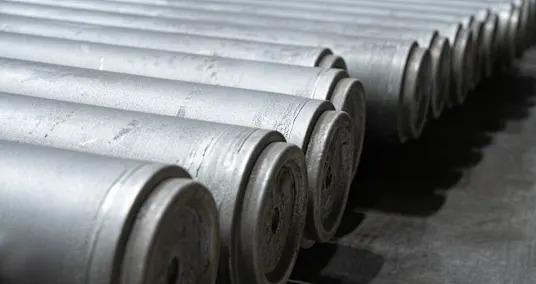
Fears of global aluminium shortages that could affect the production of clean energy technologies intensified after Iran struck two major Gulf aluminium producers, sending prices to a four-year high. The Middle East accounts for 9% of the world’s production of aluminum, which is essential to a wide range of industries from transportation, construction, and packaging, as well as the manufacture of solar panels, electrical transmission systems, wind turbines, and EVs.
Export shipments to the US and Europe had already come to a halt because of the effective closure of the Strait of Hormuz, and Morgan Stanley economists singled out aluminium as carrying a high level of risk across the value chain. Andy Farida, an aluminium analyst at Fastmarkets, told Semafor that high prices would be passed on to end-users, ultimately causing demand destruction. “A prolonged shutdown (with little to no alternative supplies other than Russia and China) could cripple the supply of aluminium to support the production of clean and green technology,” he said, adding that relief could come “if governments allow some sanctioned Russian and Chinese aluminium to be imported.”

latest_posts
- 1
 Displaced Palestinian families suffer as heavy rains flood Gaza tent camps
 - 2Flu cases spiking this holiday season, CDC data shows
- 3Amid growing bipartisan scrutiny of Pete Hegseth, Trump says he 'wouldn't have wanted … a second strike' on alleged Venezuelan drug boat survivors
- 4Creative Do-It-Yourself Ventures for Each Expertise Level
- 5From Specialist to Proficient Picture taker: Individual Triumphs


- Australia’s post-Bondi crackdown accused of targeting pro-Palestinian voices
- 'Malcolm in the Middle' reboot releases 1st trailer, reuniting Frankie Muniz and Bryan Cranston: Watch here
- Jury says Johnson & Johnson owes $40 million to 2 cancer patients who used talcum powders
- Consumers advised to dispose of 19 cooking pans due to lead leaching risk, FDA reports
- Carina Nebula shines with white-blue stars | Space photo of the day for Jan. 5, 2026
- Muslim nations condemn new Israeli death penalty law
- IDF strikes Shiraz petrochemical site, releases footage of attacks on Iranian air defenses
- Ultra-Orthodox protests erupt across Israel on haredi IDF enlistment day
- 7 Fun Plans to Make Film Evenings Seriously Energizing (You'll Cherish #5!)