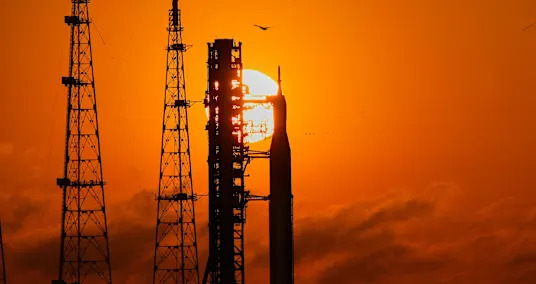
The final full moon of the year — a supermoon known as the cold moon — shone brightly across the world this week.
It follows two other supermoons this year: the harvest supermoon on Oct. 7 and the beaver supermoon on Nov. 5.
A supermoon occurs when a full moon coincides with the moon being at its closest point to Earth in its orbit. The moon, as a result, will appear slightly larger and brighter than usual.
According to the Farmers’ Almanac, December’s full moon is known as the cold moon, “reflecting the frigid season.” The almanac website says it’s “also known as the Long Night Moon (Mohican) because it rises during the longest nights of the year, near the winter solstice, and remains above the horizon for an extended period.”
Supermoons appear only three to four times a year, NASA says. And at its closest point to Earth, the moon can appear up to 14% bigger and 30% brighter than a moon that is farthest away from Earth.
The next full supermoon, also known as the wolf moon “because wolves were more likely to be heard howling at this time,” will happen on Jan. 3.
See photos of December’s dazzling supermoon below.
See more of our photo features on Yahoo News.
latest_posts
- 1
 The Excursion to Monetary Proficiency: Individual budget Triumphs
 - 2Indonesian Mega-Farm Drives Surge in Deforestation
- 3Step by step instructions to Protect Your Senior Condo for Ideal Wellbeing and Solace
- 46 Famous kind of practice on the planet
- 55 Movies That Leaving an Imprint with Inventive Innovation





- Apollo vs. Artemis: What to know about NASA's return to the moon
- January’s full wolf supermoon and the Quadrantid meteor shower will start off the new year
- Make your choice for a definitive Christmas getaway destination!
- Exclusive-Drugmakers raise US prices on 350 medicines despite pressure from Trump
- At 72, Kathie Lee Gifford says aging isn’t what she expected. 'The golden years? It’s a lie.’
- Vote in favor of your Favored kind of footwear
- Good ways to respond if your kid brings home less-than-ideal grades
- Live long and loiter: Why NASA's ESCAPADE probes will wait a year in space before heading to Mars
- Top Fascinating Organic products: Which One Might You Want to Attempt?